
Cassette split systems are commonly used in offices, retail stores, and commercial environments where consistent air distribution is essential. Installed in the ceiling, they deliver conditioned air evenly across larger spaces without taking up wall area. Their discreet design and strong cooling capacity make them ideal for open-plan layouts and high-traffic areas that require reliable climate control.
What Is an Air Conditioner Split System? Complete Guide for Australian Homes & Offices
Air conditioning has become more than a luxury in Australia — it’s a necessity. With rising temperatures, intense heatwaves, and year-round comfort demands, many Australians look for an energy-efficient cooling solution that doesn’t cost a fortune to run. Among all options available, the split system air conditioner stands out as the most popular choice for both homes and workplaces across the country.
This guide will help you understand what a split system is, how it works, the cost in Australia, types, benefits, and how to pick the right one. You’ll also find helpful navigation points for upgrading to cooling systems, air conditioners, or split system products on our website.
What Is a Split System Air Conditioner?
A split system air conditioner is a two-unit cooling (and sometimes heating) solution designed for individual rooms or areas.
How It Works
Indoor Unit → Blows cool or warm air into the room
Outdoor Unit → Releases heat outside
Connected by refrigerant pipes and electrical wiring
This “split” design allows the noisy components to stay outdoors, giving you quiet and efficient climate control indoors.
Why Split Systems Are Popular in Australia
Australia’s climate can shift rapidly — scorching summers and chilly winters, especially in states like Victoria and New South Wales. Split systems provide both cooling and heating using energy-efficient inverter technology.
Key Reasons Australians Prefer Split Systems
Affordable for most households
Quick installation compared to ducted AC
Energy-efficient performance reduces electricity bills
Perfect for bedrooms, living rooms, and home offices
They suit homes, apartments, offices, shops, rental properties, schools, and small commercial buildings across Australia.
Benefits of Split System Air Conditioners
Split systems are packed with features that support comfort and energy savings.
Top Advantages
Heating and cooling in a single unit
Quiet operation compared to window ACs
No major renovation needed
Zoned comfort: use it only where required
Better temperature control with remote settings
Modern technology like Wi-Fi, smart sensors, and timers
Improved air quality using advanced filters
Energy-efficient inverter models approved under Australian standards
Split systems deliver reliable performance in diverse Australian climates — from humid Queensland to cooler Adelaide winters.
Types of Split System Air Conditioners in Australia
Australia offers a wide variety of split systems to suit different property needs.
1. Single Split System
A single split system pairs one indoor unit with one outdoor unit to cool or heat a specific room or area. It’s ideal for bedrooms, living spaces, and small offices where targeted comfort is needed. These systems are energy-efficient, affordable to install, and offer modern features like quiet operation and smart controls — making them a popular choice for Australian homes and workplaces.
2. Multi-Split System
A multi-split system connects one outdoor unit to multiple indoor units, making it ideal for cooling or heating several rooms without needing ductwork. Each room can be controlled independently, allowing personalised comfort and better energy efficiency. It’s a smart option for homes and offices wanting flexible climate control.
3. Reverse Cycle Split System
A reverse-cycle split system delivers both cooling and heating in one unit, so you don’t need separate appliances for different seasons. It keeps rooms comfortable all year, even during extreme weather. This dual-function design also helps reduce energy bills and saves indoor space, making it a practical and efficient choice for homes and offices.
4. Wall-Mounted Split System
Split system air conditioners are the most common and budget-friendly cooling option found in Australian homes and small workplaces. They offer efficient temperature control for individual rooms without the high installation costs of ducted systems. Easy to maintain, simple to operate, and available in a wide range of sizes, they provide an affordable way to stay comfortable year-round.
5. Floor-Standing Split System
A floor-mounted split system is a smart solution for rooms with limited wall space or large windows where a standard wall unit won’t fit. Installed close to the floor, it distributes air evenly at a comfortable level. This design is ideal for living rooms, attic spaces, and offices that require efficient heating and cooling without major structural changes.
6. Ceiling Cassette Split System
How Much Does a Split System Cost in Australia?
The cost varies depending on size, brand, and installation complexity.
Average Cost in Australia
Small 2.0–3.5kW: $1,200 – $2,500 including installation
Medium 5.0–7.0kW: $2,500 – $4,500 including installation
Multi-split or cassette units: $4,000 – $8,000+
Additional charges may apply for:
Long pipe extensions
Multi-storey installation
Switchboard upgrades
Wall core drilling
Operational cost depends on:
Energy rating
Usage hours
Electricity prices in your state
Investing in a high-efficiency reverse cycle model can greatly reduce long-term energy bills.
Who Should Get a Split System?
Split systems are suitable for a wide range of Australians.
Best For
Homeowners needing targeted temperature control
Rental homes where major renovations aren’t allowed
Small to medium offices requiring efficient cooling
Retail stores and cafés
Budget-friendly installations
Apartments with limited space
If you only need to cool specific zones instead of the entire building — a split system makes perfect economic sense.
What Size Split System Do You Need?
Choosing the right size is crucial for comfort and energy efficiency.
Sizing Checklist
Room size & ceiling height
Insulation quality
Number of windows & sunlight exposure
Number of people using the space
Location climate (Sydney heat vs Melbourne winters)
General guideline
Bedroom (10–20 m²): 2.0–2.5kW
Lounge (25–40 m²): 3.5–5.0kW
Large living space (40–60 m²): 6.0–8.0kW
An oversized or undersized unit leads to excessive power usage and discomfort — professional assessment is recommended.
Maintenance & Lifespan of Split Systems
Australian households rely on split systems heavily during summer heatwaves. Proper care ensures long-term performance.
Maintenance Tips
Clean filters every 2–4 weeks
Annual servicing by licensed technicians
Clear outdoor units of dust and debris
Check refrigerant levels when efficiency drops
A well-maintained split system typically lasts 10–15 years.
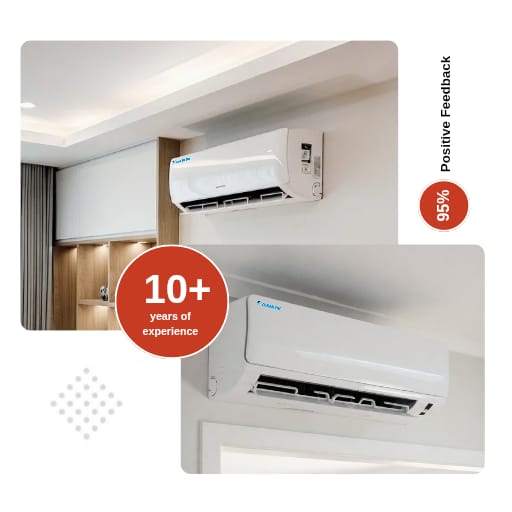
Ready to Buy an Air Conditioner in Melbourne?
Stay cool throughout the year with high-performance air conditioners from SmartElectric. We stock reliable, energy-efficient units perfect for Melbourne homes. Visit us at 101 Collins St, Melbourne VIC 3000, to find the Aircon that suits your space, lifestyle, and budget.
Grab Best Aircon Deals Today
Smart Work, Customer Satisfaction. Guaranteed.
Frequently Asked Questions
What is the difference between a split system and an air conditioner?
A split system air conditioner is a specific type of air conditioner with two units: an indoor unit (wall-mounted) that blows conditioned air and an outdoor unit (compressor) connected by pipes. “Air conditioner” is the general term covering all types, like window, portable, ducted, or split. Split systems are quieter and more efficient than many “normal” single-unit options.
What is the disadvantage of a split system air conditioner?
Split system air conditioners have higher upfront costs due to professional installation and refrigerant lines. The indoor unit is visible on the wall, which some find less aesthetic. They’re best for zoned cooling but less ideal for whole-home uniform comfort compared to ducted. Multiple units increase maintenance and outdoor placement needs good airflow/space to avoid noise issues.
What is the difference between a split system air conditioner and a normal aircon?
“Normal Aircon” often means window or portable units (single box with all components together). Split system air conditioner separates the noisy compressor outdoors, making it quieter indoors, more efficient, and sleeker. Window/normal units are cheaper and easier to install/move, but noisier, less efficient, and block windows. Split systems suit permanent setups better in Australia.
What is the common problem in split system air conditioner?
Common issues include poor cooling from dirty filters/coils, refrigerant leaks causing low performance, water leaks from blocked drains or mould, ice buildup on coils (due to low refrigerant or airflow issues), unusual noises from fan/dirt and musty odours from mould. Regular filter cleaning and annual pro servicing prevent most problems.
What size room will a 7kW split system air conditioner cool?
A 7kW split system air conditioner typically cools rooms or open areas of 50–70 m², ideal for large living rooms, open-plan spaces, or high-ceiling areas in Australian homes. Exact coverage depends on insulation, windows, sun exposure, and ceiling height, add 10-20% extra for higher ceilings. A pro assessment ensures the best fit.
What is an Split System Air Conditioner ? Complete Guide for Australian Homes & Offices