
How does Multi-Head Split System Work?
The magic of a multi-head split system lies in its refrigeration cycle, shared across multiple indoors but powered by one outdoor unit.
In cooling mode, each indoor unit’s evaporator coil absorbs heat from its room, turning refrigerant from liquid to gas. Fans blow the cooled air back out. The hot gas pipes to the outdoor unit, where the compressor squeezes it and the condenser coil dumps the heat outside via a big fan.
For heating, the outdoor unit pulls heat from the air (even in cold weather) and sends it indoors to warm each space. What makes multi-heads special? Variable refrigerant flow (VRF) tech adjusts how much refrigerant goes to each indoor unit based on demand. This means the system can allocate more power to the lounge when it’s full of people watching a game, while the unoccupied bedroom conserves energy.
Inverter compressors ramp up or down smoothly, avoiding on/off cycles that waste energy. Result? Steady temps, lower bills, and quieter operation. In Victoria’s variable weather, this zoned approach means you’re not heating or cooling unused rooms – a real winner for efficiency.
Core Elements of a Multi-Head Split System
To understand a multi-head split system, it’s helpful to look at its core components. This basic knowledge isn’t overly technical, but it will assist you when you’re making a purchase or trying to fix an issue.
The Outdoor Unit
The outdoor unit in a Multi-Head Split System Work setup acts as the system’s powerhouse, typically larger than a standard split system to efficiently support multiple indoor units. It houses the inverter compressor, condenser coil, fan, and essential electronic components required for reliable performance. Designed for Australian conditions, modern units feature UV-resistant materials and corrosion protection to withstand coastal salt air and heavy rainfall.
Proper placement is essential for effective Multi-Head Split System Work, ensuring adequate airflow while positioning the unit away from bedrooms to minimise noise, even though newer models operate quietly. In some Australian states, installations that meet energy-efficiency standards may also align with programs such as the Victorian Energy Upgrades (VEU), helping eligible households improve efficiency and potentially access energy-saving incentives.
The Indoor Unit
Multi-head split systems offer diverse indoor unit styles:
- Wall-mounted: The most popular choice, offering a sleek look mounted high on the wall.
- Floor-standing: Ideal for spaces with lower ceilings.
- Ceiling cassettes: Installed flush into the ceiling, these units distribute air in four directions and are often used in office settings.
- Bulkhead: Units that are completely concealed within the ceiling.
In a Multi-Head Split System Work setup, each indoor unit operates independently with its own evaporator coil, fan, filters, and controls. This design allows flexible installation, such as using a wall-mounted unit in a bedroom and a cassette unit in a living area to suit different cooling needs.
The efficiency of Multi-Head Split System Work is further enhanced by modern features like Wi-Fi connectivity, occupancy sensors, and quiet operation modes. At Smart Electric, we recommend trusted brands such as Daikin and Mitsubishi, offering systems that deliver reliable performance while blending seamlessly with your interior design.
Refrigerant Lines and Controls
In a Multi-Head Split System Work configuration, indoor and outdoor units are connected through insulated copper pipes that transport refrigerant efficiently while minimising energy loss. The refrigerant is distributed to multiple indoor units using branch boxes or manifolds, allowing balanced and reliable cooling across different rooms.
The functionality of Multi-Head Split System Work also enables each indoor unit to be controlled independently through dedicated remotes or wall panels. Advanced smart features allow central management via mobile applications, supporting scheduling, energy monitoring, and seamless integration with modern home automation systems for enhanced comfort and efficiency.
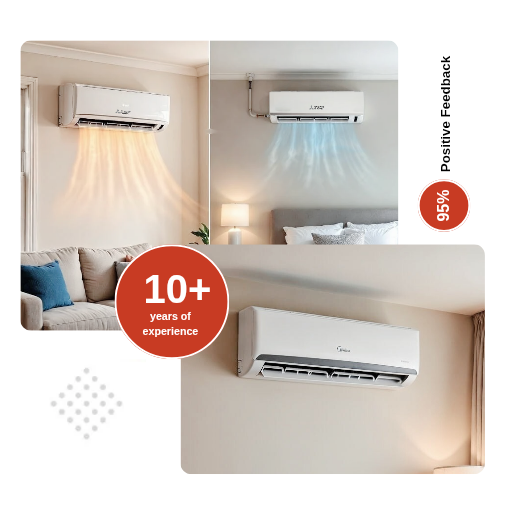
Ready for Smarter, Room-by-Room Comfort?
A multi-head system gives you independent temperature control across different areas of your home. SmartElectric supplies high-performance systems designed for quiet, efficient cooling in Melbourne conditions. Visit us at 101 Collins St, Melbourne VIC 3000, or call (03) 91125512 to find the right solution for your home.
Grab Best Aircon Deals Today
Smart Work, Customer Satisfaction. Guaranteed.
Frequently Asked Questions
Can a multi-head split system cool multiple rooms at different temperatures?
Yes, multi-head split system air conditioners allow independent temperature control in each room. Each indoor unit has its own remote or app control, so you can set different temperatures, fan speeds, modes (cool/heat/dry/fan) and timers for every zone. For example, keep the bedroom at 24°C while the living room stays at 20°C – perfect for zoned comfort in Australian homes.
Is extensive maintenance required for multi-head split systems?
Multi-head systems require slightly more maintenance than a single split because there are multiple indoor units to look after. Clean or vacuum filters every 1–3 months per head, keep the outdoor unit clear of leaves/debris twice a year, and schedule one annual professional service to check refrigerant, coils, drains and electrics. Regular care keeps them running efficiently.
Is a multi-head split system a worthwhile investment?
Yes, multi-head split systems are worth it for most homes with 2–6 rooms, especially if you value zoned control, energy saving, and avoiding the high mess of ducted installation. They use one outdoor unit, offer independent room temperatures, lower running costs through zoning, and suit apartments or houses without roof space for ducts.
What are the disadvantages of a multi-head split system?
Disadvantages include a higher upfront cost than single splits (due to extra indoor units and larger outdoor compressors), visible indoor heads that may affect room aesthetics, pipe length limits restricting layout in very large homes, more filters to clean across units and potential higher repair costs if the shared outdoor unit fails. Zoning works best with doors closed.
Do multi-head split systems consume less electricity?
Multi-split (multi-head) systems are generally more energy-efficient than using several single-split units or a complete ducted system to cover the same area. This efficiency, which can lead to a 20–40% reduction in power consumption compared to less intelligent options, is achieved through intelligent technologies. Specifically, inverter technology, variable refrigerant flow and zoned control allow these systems to precisely cool or heat only the rooms that are occupied, resulting in highly targeted operation and greater efficiency from the compressors.