
Split System Air Conditioner vs Multi-Head Split System: Which Is Better for Your Home?
For Australian homeowners, choosing between a split system air conditioner and a multi-head split system is a frequent challenge. Given increasing energy expenses and the diverse range of home sizes, many are weighing these options to secure the most practical and energy-efficient cooling solution for their specific needs.
This clear, concise guide will detail the essential distinctions between these two systems, enabling you to confidently select the right split system—be it a compact unit for a single space or a system providing zoned climate control across multiple rooms.
What Is a Split System Air Conditioner?
A split system air conditioner features one indoor unit (usually wall-mounted) connected to one outdoor compressor unit. It provides targeted cooling or heating for a single room or open space. click for complete guide step by step.
These systems are hugely popular for bedrooms, lounges, home offices, or small apartments. Installation is quick and straightforward, with no need for ductwork. Modern inverter models from brands like Daikin, Mitsubishi, or Midea deliver quiet, energy-efficient performance tailored to Aussie climates.
What Is a Multi-Head Split System and How Does It Work?
A multi-head split system (also called multi-split) uses one powerful outdoor unit to connect and power multiple indoor units—typically 2 to 5 or more, depending on the model. click for complete guide.
Refrigerant lines run from the single outdoor compressor to each indoor head, allowing independent temperature control in different rooms. You can mix wall-mounted, cassette or floor-standing units for flexibility.
This setup is ideal for cooling multiple rooms without multiple outdoor units, making it a smart choice for homes where outdoor space is limited or aesthetics matter.
Split System Air Conditioner vs Multi-Head Split System: Key Differences at a Glance
Feature | Single Split System | Multi-Head Split System |
Rooms Cooled | One room or zone | Multiple rooms (2–5+ typically) |
Installation | Simple and quick | More complex with extra piping |
Upfront Cost (installed) | $1,800–$4,800 | $4,200–$8,000+ (depending on heads) |
Efficiency | Excellent for single-room use | Good when zoning; can be less if all run |
Outdoor Units Required | One per system | One for all indoor units |
Flexibility | Limited—add more units for more rooms | High—independent room control |
This comparison highlights why homeowners often debate split system vs multi head split systems based on house size and budget.
Installation Complexity and Space Needs
Split System air conditioners: Simple and Quick
The split system air conditioner is prized for its simplicity. Installation is typically quick, often completed in a day with minimal disruption. They require only a small space for the outdoor unit, making them an excellent choice for areas like balconies or side yards.
Multi-Head split Systems: Tidy and Space-Saving
While multi-head systems need more complex planning, including longer refrigerant lines and potential internal wall or ceiling adjustments for multiple indoor units, they offer a key benefit: only one outdoor unit. This saves space and maintains a cleaner exterior aesthetic, which is ideal for townhouses, units, or properties subject to strict body corporate or council regulations.
Cost and Value Comparison: Split System Air Conditioner vs. Multi-Head Split Systems
Split Systems:
- Cost: Generally more budget-friendly, with supply and installation for a quality reverse-cycle unit typically ranging from $1,800 to $4,800.
Multi-Head Systems (Two or More Units):
- Initial Cost: Start at a higher price point, with a 2-3 head system usually costing $4,200 to $8,000 installed.
- Expansion Cost: Each additional head adds $1,000 to $2,000 to the total cost.
- Installation Complexity: Installation is pricier due to the setup’s increased complexity.
- Long-Term Value: For larger homes, these systems can offer superior long-term value. Benefits include:
- A single outdoor unit could lead to lower maintenance costs.
- A cleaner aesthetic that can enhance property appeal.
Energy Efficiency and Running Costs
Both split system air conditioner and multi-head split system utilise inverter technology, ensuring high energy efficiency; however, actual running costs depend on how you use them.
Split Systems excel at targeted cooling. A high-star-rated unit is highly efficient for spot cooling, potentially costing only $0.25–$0.60 per hour, which is ideal if you need comfort in just one room.
Multi-Head Systems offer the advantage of zoning. By cooling only the rooms currently in use, they can save energy. While running all indoor units simultaneously will increase costs, smart zoning often makes these systems competitive with, or even more cost-effective than, single splits for larger, multi-room homes.
To ensure low energy bills, particularly during hot Australian summers, always look for a higher star rating on the Australian zoned energy rating label.
Which System Suits Your Home Best?
Your choice between a split system air conditioner vs multi-head split system depends on your property:
- Apartments or small homes (1–2 key rooms): Go single split—affordable, efficient, and space-smart.
- Medium homes (2–4 rooms): Multi-head often wins for convenience and outdoor space savings.
- Large homes: Multi-head provides flexible zoned cooling without ducted expense; multiple singles work if the budget is tight.
- Limited outdoor space: Multi-head is usually superior, using just one compressor.
Factor in your cooling habits, energy goals, and budget. A professional quote from SmartElectric will ensure the best match.
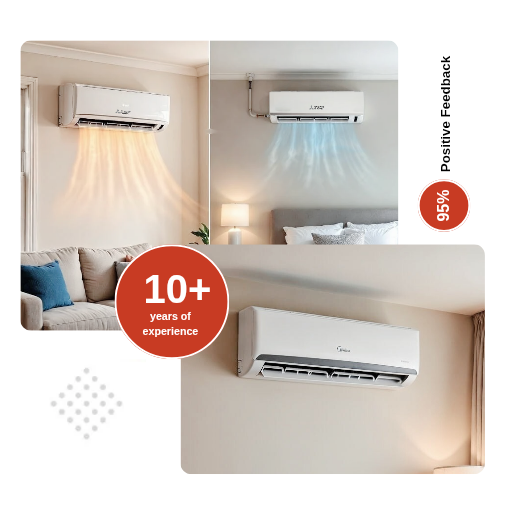
Still Deciding Between a Single or Multi-Head Split System?
Choosing the right system can make a big difference in comfort, energy efficiency and long-term costs. SmartElectric helps Melbourne homeowners select and install the ideal split system for their space and budget. Visit 101 Collins St, Melbourne VIC 3000, for expert advice today.
Grab Best Aircon Deals Today
Smart Work, Customer Satisfaction. Guaranteed.
Frequently Asked Questions
Is specialised wiring necessary for multi-head split systems?
Multi-head split systems typically need a dedicated electrical circuit from your main panel to the outdoor unit, often with a higher amperage (e.g., 20–30+ amp breaker) and thicker wiring than a single split, depending on total capacity. Professional installation ensures compliance with local codes.
How to determine if your air conditioner is a single-split or multi-split system?
Check your outdoor unit: a single split system air conditioner has one set of refrigerant lines leading to one indoor unit. A multi-head split system has multiple lines (or ports) connecting to several indoor units in different rooms. Count indoor heads and trace lines from the compressor.
What air conditioner is most energy-efficient?
The choice between a single split and a multi-head split system depends heavily on usage. A single split unit is typically more cost-effective for cooling a single room due to its targeted efficiency. For homes with multiple rooms, a multi-head split system offers energy savings through its zoning capability, allowing users to cool only the occupied areas. For both system types, investing in inverter technology, ensuring correct sizing, and using smart operational practices are the most crucial factors for minimising electricity bills.
What are the disadvantages of a multi-head split system?
Multi-head split systems present several drawbacks. They have higher initial and installation expenses, and repairs are more complex, as a malfunction in the single outdoor unit affects all indoor heads. There is also a risk of reduced cooling capacity for individual heads when the system is operating at full capacity across all rooms. Furthermore, the outdoor unit is larger, and the system’s placement can be restricted by the required piping lengths.
Which offers better performance: a multi-split or a single-split system?
The choice between a single split system and a multi-head split system depends on your specific needs. A multi-head split system is typically better suited for medium to large homes requiring cooling in multiple rooms, as it uses a single outdoor unit (saving space) and allows for temperature zoning. Conversely, a single split system air conditioner is often the ideal, more affordable, and simpler choice for small homes, apartments, or for cooling just one room. Ultimately, neither system is inherently superior, the best option is determined by your home’s size and your budget.