
Split System Air Conditioner Not Cooling – Common Reasons
Finding your split system air conditioner not cooling properly during a hot Aussie summer can be incredibly frustrating, but it’s a very common issue. The good news is that most split system air conditioner cooling problems are caused by simple and fixable factors, and many can be resolved with basic checks before calling a technician.
In this guide, we’ll help you understand why your split system air conditioner may not be cooling efficiently and how you can restore comfort and consistent cooling in your home quickly and effectively.
How Split Systems Are Supposed to Cool
A split system works by pulling warm room air over chilled evaporator coils in the indoor unit, cooling it, then blowing it back out. The outdoor unit expels the captured heat.
You should feel a strong, cold airflow (typically 10–15°C cooler than the room) within 5–10 minutes of turning it on. If it’s weak, lukewarm, or barely noticeable, one or more parts of the cycle are disrupted.
Top Reasons Your Split System Isn’t Cooling Properly
Here are the most frequent causes of split system air conditioners not cooling effectively:
- Clogged or dirty air filters — Blocked filters restrict airflow, causing weak cooling and potential ice buildup.
- Dirty evaporator/condenser coils — Dust and grime on indoor or outdoor coils reduce heat transfer efficiency.
- Low refrigerant (gas) levels — Leaks or undercharging mean the system can’t absorb heat effectively—often accompanied by hissing or ice.
- Wrong thermostat settings — Mode set to fan/heat instead of cool, temperature too high, or timer issues.
- Blocked outdoor unit — Leaves, dirt, grass clippings, or plants restrict airflow, causing overheating and reduced performance.
- Electrical problems — A faulty capacitor, loose wiring, tripped breaker, or failing contactor stop the compressor/fan.
- Frozen indoor coils — Usually from low refrigerant, poor airflow, or dirty filters—system blows warm air once ice forms.
- Undersized unit or poor insulation — System struggles in extreme heat or oversized rooms, leading to constant running without proper cooling.
Split System Air Conditioner Troubleshooting Guide for Homeowners
Before calling anyone, try these quick checks:
- Clean or replace the indoor air filters (washable ones every 4–6 weeks in summer).
- Set thermostat to “cool” mode, fan to “auto”, and temperature 5–8°C below current room temp.
- Clear at least 60–100 cm around the outdoor unit—remove leaves, plants, or debris.
- Ensure all indoor vents/louvres are open and unobstructed.
- Turn the unit off at the wall isolator for 5 minutes, then restart.
- Check if both the indoor fan and outdoor compressor/fan are running.
If cooling improves after these, great! If not, note what you observe for the technician.
Immediate Professional Consultation For Your Split System Air Conditioner
Get a licensed ARCtick technician if you see:
- Warm air despite correct settings
- Ice or frost on the indoor unit/coils
- Water is leaking from the indoor unit
- Strange noises (grinding, buzzing, hissing)
- Burning smell or frequent on/off cycling
- The outdoor unit is not running at all
These signs often point to refrigerant leaks, electrical faults, or compressor issues. DIY attempts can be unsafe or expensive.
Typical Repair Costs in Australia
Repair prices for split system cooling problems usually fall between $180–$1,500:
- Basic service + cleaning: $180–$350
- Refrigerant leak detection + repair/top-up: $350–$1,200
- Capacitor or fan motor replacement: $250–$800
- Major component (e.g., compressor): $800–$2,000+
Prices depend on your location, unit brand/age, parts availability, and whether it’s after-hours. Always use ARC-licensed technicians.
How to Prevent Cooling Issues in Future
Keep problems at bay with these habits:
- Clean filters monthly during heavy use.
- Book annual professional servicing before summer (coil clean, refrigerant check, electrical inspection).
- Keep the outdoor unit clear year-round.
- Run the system in fan mode occasionally in cooler months.
- Avoid closing off rooms completely, allow some air circulation.
Should You Repair or Replace Your Split System Air Conditioner
Opt for Repair When:
- The system is relatively new (under 8–10 years old).
- The estimated repair cost is less than 50% of the price of a new unit.
- The problems are minor, isolated, and happen infrequently.
Consider Replacement If:
- The unit is aged (12 or more years old).
- You’ve experienced several system failures.
- Repair estimates exceed half the cost of purchasing a new inverter split system.
- Your energy bills have significantly increased due to the unit’s poor efficiency.
Note: Newer models generally offer improved efficiency, quieter operation, and stronger warranty coverage.
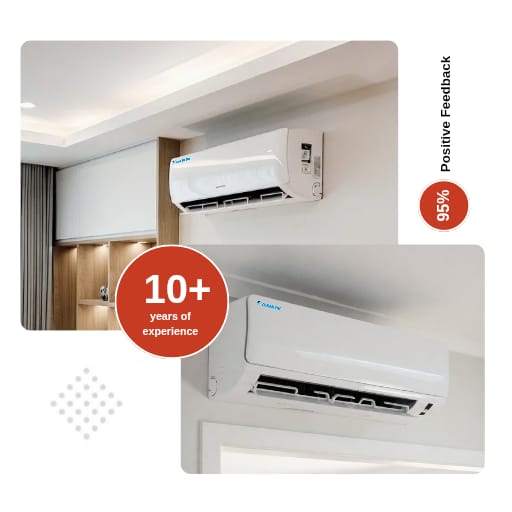
Is Your Split System Struggling to Keep Up?
If repairs are frequent or cooling remains poor, it may be time for a more efficient upgrade. SmartElectric supplies energy-efficient split systems suited to Melbourne homes. Visit 101 Collins St, Melbourne VIC 3000, to explore your options.
Grab Best Aircon Deals Today
Smart Work, Customer Satisfaction. Guaranteed.
Frequently Asked Questions
How does sunlight affect Air conditioning cooling needs?
Direct sunlight on windows, walls or the outdoor unit increases heat gain indoors and makes the outdoor unit work harder (higher ambient temperature). This raises cooling load, so rooms heat up faster, your split system runs longer, and electricity bills climb. Use curtains, blinds or shading to reduce solar heat gain.
How to improve cooling performance in a split or multi-head split system?
Clean or replace air filters, set temperature 5–8°C below room temperature, use “cool” mode with the fan on “auto/high”, keep doors/windows closed, clear the outdoor unit of debris, close curtains during peak sun and run ceiling fans to circulate cool air. Ensure the unit is correctly sized for the room.
How to determine if your air conditioner requires refrigerant (Gas)?
If your split system air conditioner isn’t cooling, watch for these indications:
- Poor Cooling: The system isn’t cooling effectively, even with clean filters.
- Ice/Frost: You see ice or frost on the indoor coils or pipes.
- Noises: You hear hissing or bubbling sounds.
- Constant Operation: The outdoor unit runs non-stop.
- Warm Air: Warm air is blowing from the vents.
Important: Only a licensed ARCtick technician is authorised to properly inspect refrigerant levels using gauges. Homeowners should never attempt a DIY top-up.
What is the cause for a split system to function but not cool?
Common causes include dirty/clogged filters restricting airflow, low refrigerant (leak), blocked indoor/outdoor coils, frozen evaporator coils, incorrect thermostat settings (fan-only or heat mode), outdoor unit obstruction, or electrical faults (e.g., bad capacitor). Start with filter cleaning and basic checks.