
Cleaning an Evaporative Cooling System: Step-by-Step Maintenance Guide
Cleaning an evaporative cooling system is one of the smartest things you can do to stay comfortable through Australia’s hot summers. Regular cleaning of an evaporative cooling system is essential to maintain airflow, cooling efficiency and healthy indoor air. Without proper maintenance, dust, minerals, and bacteria can build up, reducing system performance. Whether you’re in a dusty suburb or dealing with hard water, this simple maintenance makes a huge difference.
Evaporative coolers (also called swamp coolers or evap air conditioners) work brilliantly in dry climates by drawing air through water-soaked pads to cool it naturally. But over time, dust, minerals, pollen, and algae accumulate, reducing performance and creating that musty smell many Aussies know too well. Proper evaporative cooler maintenance is essential for clean air, lower bills and a longer-lasting unit.
The Importance of Routine Cleaning for Your Evaporative Cooling System
A clean evaporative cooling system performs better in every way.
- Improved Cooling Performance — When pads and filters are clogged, they obstruct airflow, forcing your evaporative cooling system to work harder and limiting its ability to distribute cool air effectively. Regular cleaning is essential to restore robust and uniform cooling throughout your space.
- Better Indoor Air Quality — The damp conditions within the unit create an ideal breeding ground for mould, bacteria and algae. The proliferation of these can then be distributed through the ductwork, leading to respiratory irritation or allergic reactions. This is a particularly important concern for households with children or individuals who suffer from asthma.
- Energy Efficiency and Cost Savings — A dirty system increases running costs because the fan has to work harder, consuming more electricity. Maintaining a clean system can significantly reduce these costs, building on the fact that evaporative systems are already much more energy-efficient than refrigerated air conditioning.
- Longer Lifespan —By eliminating mineral scale and debris, you can prevent corrosion and wear on components, which could extend your unit’s lifespan by years.
In regions with hard water or high dust (common in many parts of Australia), buildup happens faster, making evaporative cooling system cleaning non-negotiable.
How Often to Clean Your Evaporative Cooling System?
For optimal performance and to prevent issues, experts suggest a consistent maintenance routine:
Annual Full Clean:
- When: Ideally at the start of the cooling season (September–October).
- Purpose: To eliminate dust accumulated over winter and flush out stagnant water.
End-of-Season Check/Lighter Clean:
- When: End of summer (March–April).
- Purpose: To flush out any scale or mould build-up resulting from heavy summer use.
Frequent Checks (During Peak Summer):
- When: Every 1–2 months, especially in dusty regions, during bushfire season, or with daily operation.
- Actions: Rinse cooling pads and inspect the water tank.
Component Replacement & Professional Service:
- Cooling Pads: Typically require replacement every 1–2 years (or annually for homes with very high usage).
- Professional Service: An inspection every 1–2 years is recommended, particularly for thorough checks of roof-mounted systems.
Note: Always consult your specific model’s manual for tailored advice, as consistent seasonal maintenance is the best defence against system problems.
Tools and Supplies You’ll Need for Cleaning an Evaporative Cooling System
Before you begin cleaning your evaporative cooler, gather these necessary tools and supplies. Many of these items are readily available or inexpensive:
Cleaning and Maintenance Supplies:
- Garden hose with an adjustable spray nozzle
- Soft-bristle brush (ensure it is non-abrasive)
- Mild dish detergent or a specialised evaporative-specific cleaner
- White vinegar (use for a natural 50/50 mixture to fight mould and scale buildup)
- Bucket for preparing cleaning solutions
- Clean rags or old towels
- Vacuum cleaner (for removing dust from the unit and vents)
- Optional: Eucalyptus oil for a natural deodorising effect
Equipment and Safety:
- Flathead and Phillips screwdrivers
- Gloves and safety goggles
- Sturdy ladder (required for safe roof access)
Important: Always refer to and follow the manufacturer’s specific guidelines to prevent accidental damage to any parts of your cooling system.
A Comprehensive Guide to Cleaning Your Evaporative Cooler
Critical First Steps (Safety)
1. Disconnect Power and Water: Turn off the electricity at the isolator switch and the water supply at the valve. Safety is paramount: Never work on the unit with electricity connected near water.
Disassembly and Cleaning Components
1. Access the Unit: Remove the access panels, louvres, or filters using a screwdriver. If the unit is on a roof, use a secure ladder and only work on a dry, calm day.
2. Clean Cooling Pads/Filters:
- Carefully remove the cooling pads and filters.
- Filters: Rinse with a low-pressure hose from the back (against the normal airflow) to prevent damage.
- Pads: Soak them in a 50/50 mixture of vinegar and water for 20–30 minutes to break down mineral deposits. Rinse thoroughly until the water runs completely clear.
- Drying: Air-dry the pads in the shade; do not force-dry or bend them.
- Replacement: Replace any pads that are torn, cracked, or severely mouldy; do not attempt to reuse damaged pads.
3. Clean the Water Tank (Reservoir):
- Fully drain the reservoir.
- Scrub the base and sides with a soft brush and mild detergent to eliminate sediment and slime.
- Rinse well, then wipe down with a vinegar solution for disinfection. Ensure no soap residue is left behind.
4. Clean Internal Machinery:
- Gently wipe the fan blades with a damp cloth.
- Inspect the pump and spray tubes for blockages and remove any debris found.
- Caution: Avoid using high-pressure water near any electrical components.
5. Exterior and Ductwork:
- Gently hose down the exterior of the unit.
- Vacuum accessible ducts and vents to remove accumulated dust.
Reassembly and Testing
1. Reassemble and Test:
- Place the pads and filters back into the unit (confirm they are completely dry first).
- Restore the water and power supplies.
- First, run the unit in fan-only mode, then switch to full cooling.
- Confirm these outcomes: even airflow, no leaks, and a fresh smell.
Signs Your Evaporative Cooler Needs Attention
Keep an eye out for these potential issues with your evaporative cooling system:
- Unpleasant Odours: A musty, damp, or “dirty sock” smell, particularly noticeable when the unit starts up.
- Poor Performance:
- Reduced airflow or weak cooling capacity.
- Rooms are remaining warmer than anticipated.
- Visible Contamination: The presence of dust, mould, or slime on the cooling pads or inside the water tank.
- Operational Issues:
- Unusual fan noises, such as rattling.
- Dust is blowing out from the vents when the system is activated.
- Increased Running Costs: Electricity bills that are higher than usual.
Address any of these “red flags” promptly to prevent the development of more significant and costly problems.
Safety Advice and Avoiding Errors while Cleaning an Evaporative Cooling System
Essential Do’s and Don’ts for DIY cleaning of an evaporative cooling system.
Safety First: Non-Negotiable Rules
- Isolate Power: Always disconnect the electrical supply before starting work to prevent electric shock.
- Roof Work Safety: Use a stable ladder, wear appropriate safety gear (gloves and goggles), and never work alone on a roof, especially in wet or windy conditions. Stop immediately and call a professional if you feel unsafe or unsure.
- Electrical Compliance: strictly adhere to all local electrical safety regulations.
Avoid These Pitfalls (The Don’ts)
- Harsh Chemicals: Do not use bleach or aggressive cleaning chemicals, as they can damage the cooler pads and may void your warranty.
- High-Pressure Washing: Avoid using high-pressure water jets on the pads, which can tear or permanently deform them.
- Incomplete Drying: Ensure all components are completely dry before reassembly to prevent mould and mildew growth.
- Ignoring Components: Don’t neglect cleaning the pump or the water distribution tubes; blockages here lead to uneven pad wetting and poor cooling.
Cleaning an Evaporative Cooling System: DIY or Professional?
Do-It-Yourself (DIY)
- Advantages: Inexpensive, fast for simple tasks (pad rinsing, tank scrubbing). Provides control over monthly, routine upkeep.
- Limitations: Cannot address deeper issues (e.g., duct mould, pump/electrical faults)—risk of injury or damage, especially with roof units.
- Best For: Seasonal, basic maintenance and monthly checks.
Professional Service
- Advantages: Licensed technicians use specialised tools for thorough descaling, sanitising and inspection. They identify early problems, ensure proper duct servicing, and often include pad replacement.
- Limitations: Costs approximately $150–$350 for a deep clean.
- Best For: Annual, thorough deep cleaning and inspection (recommended every 1–2 years).
Recommended Strategy: Use DIY for routine, seasonal basics, and schedule professional servicing for a comprehensive deep clean every 1-2 years.
1. Air Intake — The rooftop unit pulls in warm, dry outside air through intake vents.
2. Water Distribution — A pump circulates water over special cooling pads (evaporative media), saturating them evenly.
3. Evaporation Magic — Hot air passes through the wet pads, causing water to evaporate and absorb heat, cooling the air while adding a small amount of moisture.
4. Fan Distribution — A quiet, powerful fan pushes the cooler air through insulated ducts to ceiling vents in your rooms.
5. Air Exchange — To keep the system efficient, warm indoor air exits via slightly open windows or doors, ensuring continuous fresh air flow.
No refrigerants or compressors are involved, which keeps energy use low and maintenance simple.
Key Components of an Evaporative Cooling System
Familiarising yourself with the core components is essential for routine maintenance and maximising the system’s lifespan:
- The Main Unit: This weather-resistant casing, typically roof-mounted, contains the primary working parts: the fan, pump, cooling pads, and all system controls.
- Water Pump: Responsible for cycling water from a reservoir or direct supply to continuously soak the cooling pads, ensuring maximum efficiency without unnecessary water usage.
- Cooling Pads (Evaporative Media): Constructed from highly absorbent materials like cellulose or aspen, these pads create a large surface area for the most effective heat-absorbing water evaporation.
- Fan: Often a quiet, energy-efficient, variable-speed or inverter-controlled model, it is what pushes the cooled air strongly and efficiently throughout the duct system.
- Ductwork: These insulated channels distribute the conditioned air across various rooms, often featuring zoning capabilities for specific temperature control.
Routine annual maintenance, including cleaning the pads, checking the pump’s function, and flushing the system, is all it takes to keep your unit running smoothly and ensure its longevity.
Where Evaporative Cooling Works Best and Where It Doesn’t?
Evaporative cooling system is highly effective in hot, dry climates with low relative humidity (typically under 50–60%). In these ideal conditions, rapid evaporation allows for maximum temperature reduction.
Conversely, it is less suited for humid, coastal, or tropical areas. Since the air already holds significant moisture, less evaporation can occur, resulting in limited cooling performance and potentially leading to a muggy indoor environment.
Why Consider Evaporative Cooling?
Evaporative cooling systems offer numerous benefits:
- Exceptional Energy Efficiency: They consume significantly less electricity as they do not rely on a compressor.
- Lower Running Costs: Their simple operation translates to reduced utility bills.
- Environmental Friendliness: The process uses no harmful chemical refrigerants.
- Fresh Air Circulation: The system continuously introduces fresh, ventilated air into the building.
For residents in dry regions looking for an intelligent, natural, and cost-effective method to stay comfortable, understanding the mechanics of evaporative cooling demonstrates its clear advantage over traditional air conditioning.
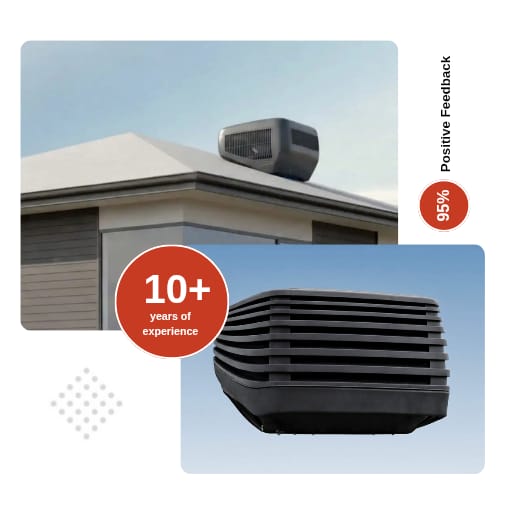
Thinking About Installing Evaporative Cooling?
Enjoy fresh, whole-home comfort while keeping energy costs down. SmartElectric’s high-efficiency systems are ideal for Melbourne summers. Visit us at 101 Collins St, Melbourne VIC 3000 or call (03) 91125512 today before peak season demand rises.
Grab Best Aircon Deals Today
Smart Work, Customer Satisfaction. Guaranteed.
Frequently Asked Questions
How to clean an evaporative cooling system?
Turn off power and water, remove pads/filters, rinse with low-pressure hose, soak pads in 50/50 vinegar-water solution for 20–30 mins, scrub the tank/reservoir with mild detergent, rinse everything thoroughly, dry pads, reassemble, and test. Takes 1–2 hours; do it seasonally.
Is it safe to use vinegar in an evaporative cooler?
Yes, a diluted white vinegar solution (50/50 with water) is safe and effective for soaking pads, cleaning the tank, or running briefly through the system to dissolve minerals, remove mould and deodorise. Rinse well afterwards to avoid residue.
Is it possible to clean the evaporator coil without professional help?
Evaporative coolers utilise cooling pads instead of the traditional evaporator coils found in refrigerated air conditioning units. These pads can be safely cleaned by the user through rinsing or soaking, as previously described. In contrast, cleaning the evaporator coils of a refrigerated aircon unit is often more complicated and potentially hazardous for a DIY approach, making professional service a preferable option.
How frequently is cleaning an evaporative cooler necessary?
For optimal performance, clean your evaporative cooling system thoroughly at least once annually, ideally before the start of summer. During periods of heavy use, perform lighter checks or rinses every 1-2 months. Weekly tank wipes are beneficial, especially in areas with high dust or hard water, as this prevents mineral buildup and maintains system efficiency.
What is a disadvantage of evaporative cooling?
Evaporative cooling systems have several drawbacks. Their effectiveness decreases significantly in humid conditions because they add moisture to the air. They are also heavy water users and require consistent maintenance to prevent mould growth. Furthermore, they are not suitable for extremely hot climates or homes that are completely sealed.
Is it safe to use a vinegar spray on an evaporator coil?
Diluted vinegar spray is a safe and effective cleaner for removing scale and mould from the pads and components of evaporative coolers (those with pads, not coils). When cleaning refrigerated aircon evaporator coils, vinegar can be used as a mild cleaner for light buildup, but use it with caution, rinse thoroughly, and always adhere to the manufacturer’s guidelines to prevent potential damage.