
Multi-Head Split System
A multi-head split system is a step up from single splits. It uses the core technology of a standard split system air conditioner, but multiple indoor units connect to one outdoor unit, allowing you to cool or heat various spaces from a single outdoor unit. If you’re in Melbourne or anywhere in Victoria dealing with our classic four-seasons-in-one-day weather, and you’ve got a few rooms that need their own climate control without turning the whole house into a fridge or sauna, a multi-head split system could be the perfect fix. These setups are super popular because they deliver zoned comfort, save on energy and don’t require ripping your ceilings apart as ducted does.
What is a Multi-Head Split System?
A multi-head split system (also called multi-split or multi-zone) is an air conditioning setup where one outdoor unit connects to multiple indoor units (heads). You might have 2, 3, 4, or even up to 8 indoors scattered around different rooms or zones, all powered by that single outdoor compressor.
It’s an evolution of the standard single-split (one indoor, one outdoor). The “multi-head” means you get independent control in each room. These are reverse cycle, so they cool in summer and heat in winter, handling Melbourne’s hot spells and cold snaps. No ducts needed, just thin pipes running between units – making them ideal for retrofits in older homes, apartments with balcony space or places where roof access is tricky.
How does Multi-Head Split System Work?
A multi-head split system uses one outdoor unit for several indoor units. It cools by having indoor units absorb heat, converting liquid refrigerant to gas, which is then compressed outdoors and the heat is dumped. For heating, the outdoor unit pulls heat from the air and sends it indoors. Key features are Variable Refrigerant Flow (VRF), which directs cooling/heating based on room demand, and inverter compressors that smoothly adjust power. This zoned approach offers steady temperatures, lower bills, and better energy efficiency by only conditioning occupied spaces.
Benefits of Multi-Head Split System
Why opt for a multi-head split system instead of single splits or a ducted system? There are a heap of advantages.
Customised Comfort & Efficiency: Heat or cool only the rooms you are using (zoning), leading to substantial energy savings compared to whole-house or ducted systems. Set different temperatures for individual rooms.
Minimal Impact on Aesthetics & Noise: A single outdoor unit reduces yard clutter, is quieter for neighbours and is ideal for apartments or smaller properties. The compressor noise stays outside, with indoor heads operating very quietly.
Simplified Installation: Because no ductwork is required, installation is typically faster (often 1–3 days), cheaper and less disruptive than traditional ducted systems.
Cost & Energy Savings: The combination of Inverter technology and zoning results in lower utility bills. High energy star ratings frequently make these systems eligible for VEU rebates.
Improved Air Quality: Built-in filtration, and in some models, air purification, can help manage common irritants like Melbourne’s pollen and dust.
High Versatility: Suitable for nearly all property sizes, easily accommodating small homes needing 2–3 zones up to larger residences requiring 4–6 zones.
Drawbacks of Multi-Head Split Systems
Before you commit to a multi-head split system, there are several key factors unique to Melbourne and Victoria that you should consider to ensure you select the right system for your property and climate needs:
Sizing and Load Calculation: Accurate load calculation is crucial. Don’t just count rooms; factor in ceiling height, window size/orientation, insulation levels and the specific heat load (sun exposure) of each zone. Oversized units cycle inefficiently and undersized units struggle on the hottest/coldest days.
Energy Efficiency Rating (EER/COP): Look for high star ratings. Since Melbourne experiences both extreme heat and cold, pay attention to both the Cooling Efficiency (EER) and Heating Efficiency (COP). A higher rating means lower running costs over the system’s lifespan.
Brand and Warranty: Stick to reputable brands like Daikin, Mitsubishi Electric, and Panasonic which offer robust warranties (typically 5 years) and local support. Given the investment, long-term reliability is paramount.
Installation Complexity: While less disruptive than ducted, the layout of your home (especially multi-story) can impact installation cost and time due to the need to run refrigerant lines neatly and discreetly. Discuss pipe run lengths and branch box placement with your installer.
Sound Levels (dB): Check both indoor and outdoor unit decibel ratings. While indoors are very quiet, the outdoor unit noise can be an issue in densely populated areas or close to bedrooms. Newer inverter models are significantly quieter.
Filter Quality and Maintenance Access: Ensure the indoor units selected have quality filters (e.g., anti-allergen, air purification) that are easy for you to access and clean regularly, especially during high-pollen seasons in Victoria.
Homes that only need whole-house summer cooling (and not winter heating) sometimes lean toward evaporative cooling, whereas multi-head refrigerated systems are better for year-round climate control.
Sizing Your Multi-Head Split System Correctly
Proper sizing is crucial, based on the combined heating and cooling needs of all rooms.
Approximate Room Sizing (kW) for Melbourne:
Room Type | Size Range | Estimated Capacity |
Bedroom | 10-20 m² | 2.0-2.5 kW |
Small Lounge | 20-30 m² | 3.5-5.0 kW |
Large/Open Area | 30-50+ m² | 5.0-8.0+ kW |
Outdoor Unit Sizing:
The outdoor unit’s capacity must cover the sum of the required capacities of all indoor units. For example, three indoor units needing 2.5 kW, 5.0 kW and 3.5 kW would typically require an 8-10 kW outdoor unit. Professionals often add a 10-20% buffer.
We offer complimentary load calculations to ensure accurate sizing, preventing both oversizing and undersizing.
Tips for Maintaining Your Multi-Head Split System
To maintain high efficiency and prolong system life to 12-15+ years, perform the following:
- Monthly: Clean the filters for each indoor unit.
- Twice Annually: Clear debris from the outdoor unit.
- Annually (Professional Service): Schedule a professional check of coils, refrigerant levels, and drainage systems.
- As Needed: Use fan-only mode occasionally to dry the interior units.
Frequent Problems with Multi-Head Split System
Common issues that affect multi-head split systems include:
- Poor Airflow: Often caused by dirty air filters.
- Water Leaks: Typically a result of blocked condensate drains.
- Weak Performance: Usually a sign of low refrigerant levels.
- Unusual Noises: May indicate issues with the fan or the presence of debris.
Most of these problems can be prevented or fixed with routine maintenance. Contact a professional for any significant or persistent malfunctions.
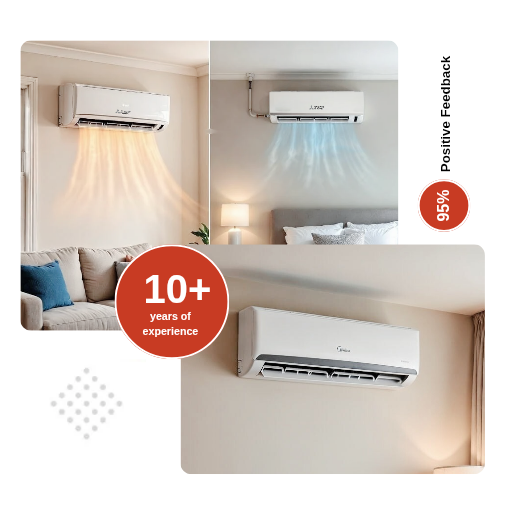
Ready to Buy an Air Conditioner in Melbourne?
Stay cool throughout the year with high-performance air conditioners from SmartElectric. We stock reliable, energy-efficient units perfect for Melbourne homes. Visit us at 101 Collins St, Melbourne VIC 3000, to find the Aircon that suits your space, lifestyle, and budget.
Grab Best Aircon Deals Today
Smart Work, Customer Satisfaction. Guaranteed.
Frequently Asked Questions
Do multi-head split systems consume less electricity?
Yes, multi-split (multi-head) systems often consume less electricity than running multiple single-split units or a full ducted system for the same coverage. Thanks to inverter technology, variable refrigerant flow and zoned control, they only cool/heat occupied rooms. This targeted operation, plus efficient compressors, can reduce power use by 20–40% compared to less smart alternatives.
How to clean the inside of a split system air conditioner?
A well-maintained multi-split air conditioner typically lasts 12–15 years, sometimes up to 20 years with regular care. Quality brands like Daikin and Mitsubishi often reach the higher end. Annual professional servicing, monthly filter cleaning and keeping the outdoor unit clear of debris are key to maximising its lifespan.
Is a multi-head split system a worthwhile investment?
Yes, multi-head split systems are worth it for most Australian homes with 2–6 rooms, especially if you want zoned control, lower running costs and no ducted installation hassle. They save space (one outdoor unit), offer flexible comfort and qualify for rebates. They’re ideal if you don’t need whole-home coverage or prefer easier retrofits over ducted.
What issues commonly occur with multi-head split air conditioning units?
Common issues include reduced cooling from dirty filters/coils, water leaks from blocked drain lines, refrigerant leaks causing poor performance, musty odours from mould buildup, unusual fan noises and occasional error codes. Most stem from neglected maintenance. Regular filter cleaning and annual servicing prevent the majority of these problems in multi-split systems.
What distinguishes a ducted air conditioning system from a multi-head split system?
Ducted air conditioning delivers conditioned air through hidden ducts and vents to the entire home for seamless, even coverage, but requires ceiling space and higher installation costs. Multi-head split uses one outdoor unit with multiple visible or semi-hidden indoor units for zoned control, easier/cheaper install, no ducts and better efficiency when not all rooms need conditioning.
Split System vs. Multi-Head System: What Differentiates Them?
A standard split system air conditioner has one indoor unit connected to one outdoor unit, cooling/heating a single room or zone. A multi-head (multi-split) system connects one outdoor unit to 2–8 indoor units, allowing independent control across multiple rooms or zones from the same outdoor compressor. A multi-head split system offers more flexibility and space-saving for homes with several areas.